
Maintaining Baseline Fitness in a Busy Home
Getting and staying fit is perhaps the most common goal that we all struggle to reliably achieve. Exercise can be unpleasant, exhausting, time-consuming, expensive, and intimidating, so it makes sense that we’re not overly excited to commit. On the other hand, achieving a basic level of fitness is nothing like running a marathon, requiring only small (but consistent) efforts.
With that in mind, let’s look at what’s required for busy mums and dads to start their fitness journey and make progress that fits into their schedule. There’s a place for everyone here, so let’s dust off those running shoes and start our journey.
Your Environment Dictates Your Potential
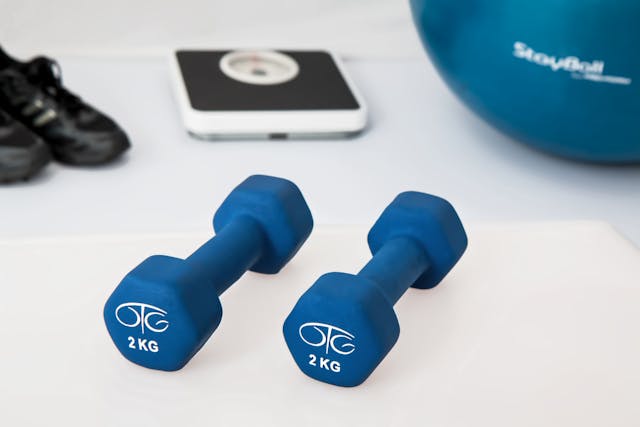
A busy home often means you don’t have much room, but that’s not as much of a problem as you might think. Home gyms are fantastic, but they’re also a commitment only really required by diehard gym heads. For a start, all you need is enough space to lay down a yoga mat, and enough area for a weight bench and a set of adjustable dumbbells.
With this, you’ll have all you need for basic muscle building. Key exercises here to cover all major muscle groups include:
- Legs: Lunges and Bulgarian split squats
- Chest: dumb chest bell press, chest fly, and push-ups
- Arms: Curls and skull crushers (not as scary as they sound)
- Shoulders and back: Lateral raises and dumbbell rows
- Core: Crunches and planks
- Conditioning: Steps and cardio
Setting Minimum Goals
One of the most consistent global patterns we see in exercise is people setting their sights too high and burning out. It’s especially popular with New Year resolutions, as gyms famously start the year crowded and then filter out back to regulars after a month.
Instead of being too ambitious, the best way to make real progress is to set realistic weekly goals. Six thousand steps a day is a good target, alongside two 15-minute runs. For weights, four hard sets per muscle group per week are enough to see results. Combined with more protein and less sugar, progress can be faster than you think. If you can do more when your daily exercise is finished, then add a little more, but don’t make this your new standard.
Depending on experience, it might also be a good idea to plan future home moves or purchases around a more suitable exercise space. It’s best to stay on top of these opportunities by keeping track of real estate listings, as they can appear on the market quickly. If I wanted to sell my house for cash and capitalise on these chances, services offering guaranteed sales on any properties with free cash offers are a good place to start. This way, it’s possible to start making a move on more drastic changes like an actual home gym, to take exercise potential to the next level.
Setting new routines in place takes a different amount of time for different people and different activities, and you’ll likely experience setbacks on the way. According to some of the largest studies, around 66 days is the average time for something like exercise to go from a difficult task to an accepted norm. Just remember to cheer your partner on, and you’ll be more likely to commit, even with some stumbles along the way.
