
What to Know About Multi-Vehicle Accidents
If you’re in an accident with three or more vehicles, it’s known as a multi-vehicle collision. These accidents often occur as the result of one vehicle hitting the one in front of them, and that then leads to a chain reaction. Sometimes, a vehicle could stop suddenly, then the vehicles behind that one don’t have adequate time to react.
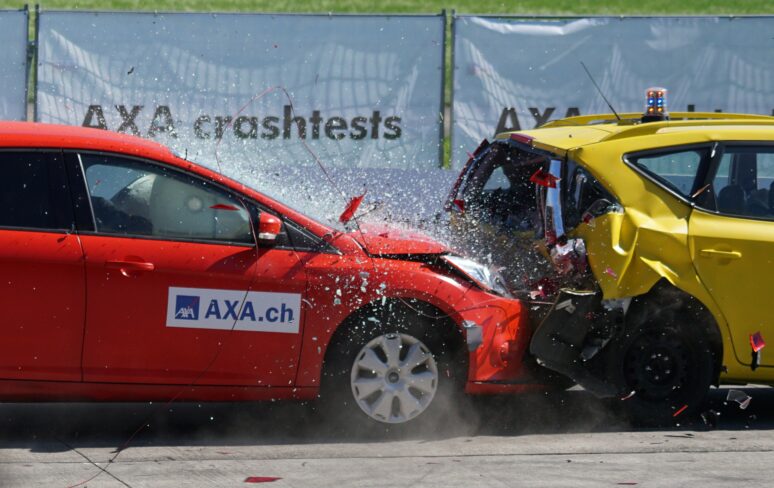
After an accident involving multiple vehicles, law enforcement needs to be called, and when they report to the scene, they’ll file a crash report. That report will also include details that will likely be used for the assignment of liability later on. In the event you get in contact with a Personal Injury Lawyer Las Vegas (or indeed one elsewhere more relevant), this crash report will contain valuable information that can be used to substantiate your claim for compensation. Using this in conjunction with witness information and your own account of the accident will help to form a solid case with a better chance of success.
An Overview
A multi-vehicle accident involves no less than three drivers or passengers. These accidents frequently occur because, as mentioned, one person might rear-end a car, and then the force of that initial collision can cause the car following to run into the back end. If there’s a line of cars and they’re all traveling close to one another, or the accident isn’t avoidable at the speeds everyone is driving, it’s a multi-vehicle accident.
The first two cars involved cause the rest of the damage, usually, but for the third and further-back cars, injuries and property damage are usually the fault of the first driver who caused the wreck.
Causes of multi-vehicle collisions include speeding, distracted driving, driving under the influence, and road defects. Ignoring traffic signals can be another cause, as can faulty brakes on a vehicle.
Injuries from multi-car crashes can include broken bones, whiplash, traumatic brain injuries, PTSD, airbag injuries, and back and spinal injuries.
Death is also a possibility in these accidents, which can be severe.
Who’s Liable?
The chain reaction of a pile-up is very often the fault of the careless first drivers involved, which could be the first two or just the first one.
Lawyers will have to look at all the factors in a case and try to identify what caused the collision.
Lawyers representing clients in these cases might hire expert witnesses who can look at all of the complex elements of a collision and make a determination on who holds the primary liability.
With accidents that involve multiple vehicles, there is usually a lot of evidence that has to be compiled against the party responsible. If there is no footage available from traffic cameras or dash cams, then a lawyer might have to investigate the location where the accident occurred.
If one party admits fault, that can simplify a case, but if no one admits blame, that’s when the research and hunting for evidence begins.
The first driver may have been distracted, for example, and that could remove fault from the other drivers. In other circumstances, it might be uncovered that most of the drivers have some level of fault in the accident.
In the vast majority of multi-vehicle collisions, it’s not as easy as assigning fault to the driver in the front.
The Role of Witnesses
Witnesses can be of the utmost importance in an accident involving multiple cars. There are often people who observe the accident, and they may be able to recount what they saw exactly.
The involved drivers, of course, have a vested interest in making sure they aren’t taking the blame, whereas neutral witnesses don’t have this concern.
After an accident involving multiple vehicles, law enforcement needs to be called, and when they report to the scene, they’ll file a crash report. That report will also include details that will likely be used for the assignment of liability later on.
At-Fault vs. No-Fault State
If someone is in a multi-vehicle crash in a no-fault state, every driver’s insurance covers their injuries, most often through personal injury protection (PIP). You could, in theory, still make a claim against the driver who’s at fault for your property damage.
If you live in an at-fault state, liability insurance covers your legal responsibility to others for both bodily injury and property damage.
If you have collision and comprehensive coverage, they’ll cover the property damage to your car.
Some states also have comparative and pure contributory negligence statutes, which are going to affect liability and the compensation you might be able to receive for your injuries and other damages you incur as a result of your accident.
If you ever find yourself in a multi-car crash, after you contact law enforcement, you can get out of your car unless you already had to before they arrived. At this time, if you feel like you’re physically ok, you should take notes of what happened while it’s fresh on your mind.
You’ll then contact your insurance agent or carrier right away and potentially a personal injury attorney too.
