
What to Consider When Picking the Lighting in Your Home
Choosing the right lighting for your home is about far more than simply picking a fixture that looks good. For families, lighting plays a key role in safety, comfort, functionality and even mood. From busy mornings to relaxed evenings, the way each space is lit can make everyday life smoother and more enjoyable. Here’s what to consider when selecting lighting throughout your home.
https://www.shutterstock.com/g/sepavo
Think About How Each Space is Used
The first step is to consider the purpose of each room. Lighting should support how your household actually lives. In high-traffic areas, such as the kitchen or living area, you’ll need a mix of practical and ambient lighting. Task lighting helps with cooking, homework or hobbies, while softer lighting creates a welcoming atmosphere in the evenings.
Bedrooms, on the other hand, benefit from a calmer approach. A combination of overhead lighting and bedside lamps allows for flexibility, whether it’s getting ready in the morning or winding down at night. The key is layering different light sources so you can adjust the feel of the space throughout the day.
Safety for Children and Pets
For households with kids and pets, safety should always come first. Avoid fragile fixtures in areas where there’s a lot of movement, and consider designs that sit flush to the ceiling in lower spaces to reduce the risk of bumps or accidents.
It’s also worth thinking about bulb temperature. Softer, warmer lighting can feel more comfortable and less harsh on young eyes, particularly in bedrooms or play areas. In contrast, brighter lighting is useful in spaces where visibility is essential, such as the kitchen.
Cables, floor lamps and low-hanging pendants should be positioned carefully to avoid trip hazards, especially in homes with energetic children or curious pets.
Balance Style With Practicality
Lighting is a key design feature, but it should never come at the expense of practicality. Statement pieces such as pendants or chandeliers can elevate a room, but they need to suit the scale and layout of the space.
For example, pendant lights are often used above kitchen islands or dining tables to provide focused illumination while also acting as a visual centrepiece. Many designs come in a wide range of styles, sizes and finishes, making it easier to match your home’s overall aesthetic. 
At the same time, don’t overlook simpler options like recessed or flush lighting, which can be ideal for rooms with lower ceilings or where you want a clean, uncluttered look.
Consider Light Layering
One of the biggest mistakes people make is relying on a single overhead light. Instead, aim for layered lighting, which combines three main types:
• Ambient lighting for overall brightness
• Task lighting for specific activities
• Accent lighting to highlight features or create mood
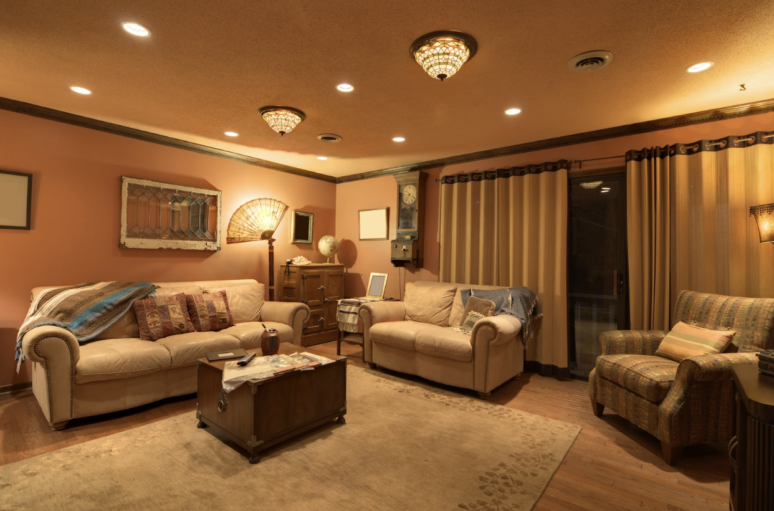
In a living area, this might mean a ceiling light for general illumination, a floor lamp for reading, and a few softer lamps to create a cosy evening atmosphere. In bedrooms, bedside lamps paired with a dimmable main light can provide the flexibility needed for different routines.
Energy Efficiency and Long-Term Costs
Lighting choices can also impact your energy bills. LED bulbs are now a popular option because they are energy-efficient, long-lasting and available in a range of colour temperatures. While the upfront cost may be slightly higher, they tend to save money over time and require less frequent replacement.
It’s also worth considering dimmer switches, which allow you to control brightness levels and reduce energy use when full light isn’t needed.
Match Lighting to Mood
Lighting has a powerful effect on how a space feels. Warm tones create a relaxed, inviting atmosphere, making them ideal for living areas and bedrooms. Cooler tones are better suited to spaces where clarity and focus are important, such as kitchens or work areas.
Being able to adjust lighting depending on the time of day or activity can make a big difference to how your home feels overall.
Seek Expert Advice
If you’re unsure where to start, speaking to a lighting specialist can be incredibly helpful. Experienced retailers often have years of knowledge and can guide you towards solutions that suit both your home and your lifestyle.
As the team at WT Lighting explain, “Picking the right lighting choice is not always black and white, experts can always offer assistance so that you can make an informed decision.”
Final thoughts
Choosing lighting for a family home is about finding the right balance between style, safety and practicality. By thinking carefully about how each space is used, layering your lighting, and considering the needs of children and pets, you can create a home that feels both functional and inviting.
With the right approach, lighting becomes more than just a necessity. It transforms your home into a space that supports everyday life while still feeling warm, comfortable and beautifully designed.
