The rise of women is not about the fall of men
This Sunday, the 8th of March is International Women’s Day. It’s a global day celebrating the social, economic, cultural and political achievements of women. The day also marks a call to action for accelerating gender parity.
The day has occurred for well over a century, with the first IWD gathering in 1911 supported by over a million people in Austria, Denmark, Germany and Switzerland. Prior to this the Socialist Party of America, United Kingdom’s Suffragists and Suffragettes, and further groups campaigned for women’s equality. Today, IWD belongs to all groups collectively everywhere.
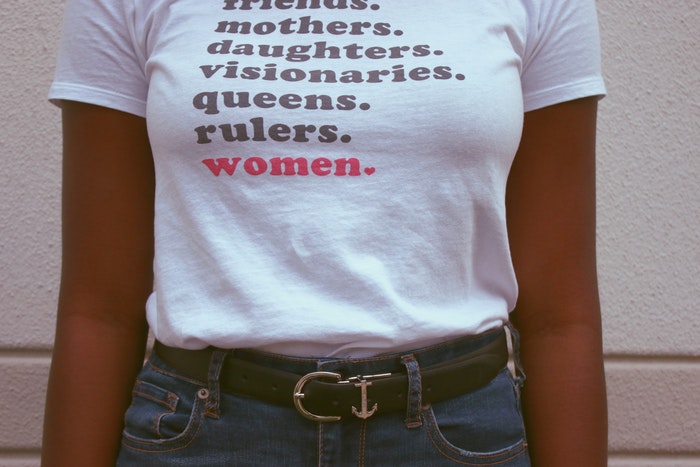
Women are, and always have been strong. We’re innovators, athletes, business women, mothers, soldiers, office workers, nurses etc. There really is nothing we can’t do. For me, International Women’s Day is about celebrating the amazing achievements of women and continuing to work towards a more gender equal world.
It’s not about men. We’re not saying that we’re better than them etc. As per the title of this blog post, the rise of women is not about the fall of men. It’s about equality, showcasing how amazing women are and simply striving for equality.
Amazing women who changed the world
Take Marie Curie for example. She changed the world not once but twice. She founded the new science of radioactivity – even the word was invented by her – and her discoveries launched effective cures for cancer.
Then there’s Rosa Parks, an African American living in Montgomery, Alabama, who in 1955, challenged the race segregation that existed in parts of the US by refusing to give up her seat on a bus so that a white person could sit down. Her protest was supported by many other African Americans and sparked the civil rights movement which, in the 1960s, eventually won equal rights. Four years after her death in 2005, Barack Obama became the first African-American US president.
Florence Nightingale is another great example. She led the first official team of British military nurses to Turkey during the Crimean War, fought between Britain and Russia (1853-56). More soldiers died from disease than wounds in this conflict and Nightingale – as well as tending the sick – reported back to the army medical services on how to reduce avoidable deaths. Nicknamed ‘the Lady with the Lamp’ for the night rounds she made tending to the wounded and sick, Nightingale continued in her work after the war and was instrumental in establishing a permanent military nursing service and implementing improvements to the army medical services.
History
The path to women’s equality has been long and challenging and here are some reasons why. Each stage provided an important focus in forging the gender agenda further along.
- Activism: In the late 1800’s and early 1900’s, women activists fought hard for equality. The focus was largely on securing the right to vote and equal pay for equal work. These two issues – women’s voice and participation in government; and the gender pay gap – largely remain key priorities over a century later.
- Feminism: Fast-forward to the 1970’s and widespread feminist action saw women rallying, protesting and lobbying hard for inclusion, influence and equality.
- Fix the women: The 1980’s saw an array of “Fix the Women” progams that were well-meaning in trying to help women become more confident, visible, well-networked and assertive – but many reinforced a notion that women needed to “act like men” and “fit” into existing patriarchal structures and organizations if they were to succeed (all while still being a superwoman in the home). Shoulder pads, power suits, high heels and a loud voice were in fashion.
- Change the organization – The 1990’s and noughties focused on organizational development: “Maybe if we change or fix the organizational structures, women will thrive?” So areas like the focus on women in the boardroom escalated, as did more diverse recruiting, inclusive talent pipelines, and attention to wider diversity groups beyond gender such as race, LGBT+ and so forth. The introduction of “Top Company” and “Top Women” style lists occurred and as they increased in popularity, the number of new lists launched each year increased exponentially. The number of women’s conferences and networks also increased significantly – and continue to play an important and necessary role across all countries. The volume of gender-related research also increased – new insight, new terms and understandings, new phrases, measurement of the extent of problems or success; hard facts and numbers.
- Men as allies: In more recent years, men as advocates and champions of change have been recognized as playing a key part in accelerating women’s equality. Many progressive CEOs and influential leaders have committed via formal public channels to helping build diverse and inclusive organizations that challenge stereotypes and bias.
- The world expects balance: And so here we are – 2020 is here. Movements like #MeToo, #TimesUp and the significant global rise in International Women’s Day activity in every corner of the world – along with the many female-focused days and initiatives around the world – mean gender is firmly on the agenda!
2017 and 2018 saw International Women’s Day as the most discussed topic on Facebook by millions (even more than the Super Bowl). Pantone’s color of the year in 2018 was purple (i.e. women’s color). Everywhere, gender is on the mainstream radar and impacting the narrative. Stereotypes and bias are more likely to be called out. Men’s role in society is more varied and gender roles are fluid.
We are moving to a very exciting time in history where the world now “expects” gender balance. The world notices its absence and celebrates its presence. Step back a few years and the world was asked to #PledgeforParity for IWD 2016 and develop an inclusive mindset. Then in 2017 the world was asked to #BeBoldforChange and identify tangible action to help accelerate gender parity. 2018 saw a massive #PressforProgress as the world stepped forward to push the boundaries and go beyond to achieve greater equality for women. In 2019, we continued to play a critical role in helping forge a more gender-balanced world as we work towards a #BalanceforBetter. And 2020, sees an important wave of collective individualism as we all strive to be #EachforEqual – because an equal world is an enabled world.
Get Involved
Everyone, everywhere, can get involved with International Women’s Day supporting the #EachforEqual 2020 campaign theme to help forge women’s equality. Find out how you can get involved by clicking here.
Sources
https://www.historyextra.com/100-women/100-women-results/ https://www.internationalwomensday.com/Speeches

5 Comments
Michele Morin
March 6, 2020 at 12:15 pm
Thank you for this. Life is not a zero sum game, and there’s plenty of room for everyone. As the mum of four sons, it makes me sad when women act as if men are ALL against them and they have to denegrate males in order to heighten their own position. There’s plenty of success for everyone who’s willing to work hard.
Anne
March 6, 2020 at 3:48 pm
Women have always been powerful, it’s just that they have not received the recognition that would go to a man. It’s good to see that we are becoming more equal, and that men need not be afraid.
Rosie Doal
March 8, 2020 at 9:45 am
I totally agree with you. Sometimes men feel we’re belittling them by ‘bigging up’ ourselves. But today is about celebrating who we are and everything we can do, have done and achieved #ThatFridayLinky
Sarah-Marie
March 9, 2020 at 10:08 pm
I had no idea that International Women’s Day has been happening since 1911! What an amazing history. #ThatFridayLinky
Laura Chesmer
August 21, 2020 at 1:14 am
I believe that women have always been just as important as men throughout history, it’s just that recognition hasn’t always been duly received! What you say is absolutely right. I don’t want the fall of men; men are important too. It’s just a case of righting wrongs – and thankfully much progress has been made! #ThatFridayLinky