
Baby-Proofing Your Home: Household Dangers That Could Harm Your Child, And What To Do About Them
Moving into a new place can be stressful, especially when you have a newly-arrived little one’s needs to consider. Crafting a new life in a new area might have been precipitated by the baby’s arrival. It’s up to you to ensure that every need of your new family is taken into account.
No matter who you are, or how healthy your family lifestyle, there will always be an area of improvement in any home you live in to improve the safety, health and long-term stability of your family unit. Going over this family-friendly checklist for your new home will allow you to rest at ease, safe in the knowledge that every factor has been considered and that the space you call home really is a refuge from the outside world.
Insulation
How insulated is your property? Is the roofing felt properly applied? Are your windows single or double glazed? Keeping a great idea of how quality your insulation is will allow your child to stay warm in the winter, and help reduce any nasty breezes that can give them a cold or some other form of breathing difficulty. This also has the added benefit of reducing your heating bills, which is a very welcome side effect.
Roofing
If your house was built before the 1980’s, there’s a chance it was built with asbestos. Even previous methods of asbestos removal might not have been completely thorough, so be sure to hire a new professional service to help you ascertain how effectively it has been removed, and if not, remove it themselves.
Asbestos is a nasty thing to have in your home. It can cause cancer and toxic irritation. Be sure it is fully gone from your home before you even consider bringing your child over the door threshold.
Windows
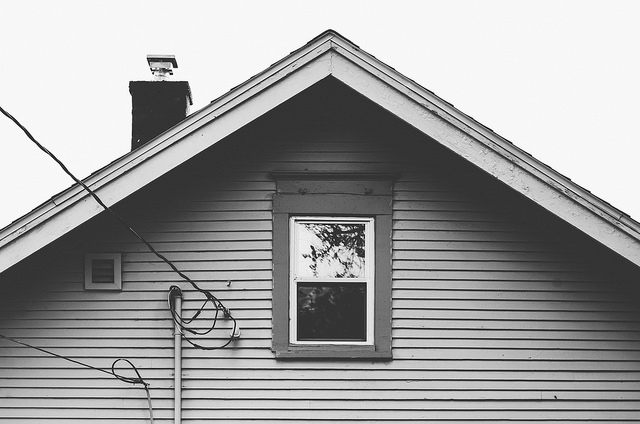
Windows should be tight, secure and insulated. It should give off any form of draft. It should keep your heating inside the house. It should be strong enough to stay secure against any negative weather conditions. When your child grows, he or she will be sure to climb on everything available to them. If the window is above a bed frame, consider added child safety security locks that prevent the window from being open more than a few inches. This will prevent a nasty possible accident.
Corners
If your child can see it, they’re going to walk into it. That’s one of the uncommonly heard laws of parenthood. Dining tables, coffee tables, draws and a variety of other furniture items are just great to injure your child. While your child is learning to crawl around (which will come around faster than you realize,) a coffee table is one of the worst offenders in hurting a child. Purchase rubber corner protectors that prevent your child from being hurt on even the sharpest corner.
Cleaning Products
It’s best to use non-toxic cleaning products, but to also place them higher than any child can reach. The standard storage solution that most childless people use is placing those products underneath the sink, but a curious child can find this easy.
Water
Make sure that your water temperatures are correct, and your boiler isn’t heating the water too hot. Get a professional callout technician to fix this if this is the case. The last thing you want to do is burn or freeze your child because the taps aren’t providing the correct temperature gauge.
Security
If you have a family, you want to protect them. Ensure that all of your windows, doors, and entrances are securely locked. Make sure that no one can access your garden area without great difficulty. Consider installing a CCTV system that will prevent would-be thieves from accessing your property.
The health of your family is sure to be well taken care of with these considerations in place.
