
Top Tips For New School Starters
We are very quickly nearing the end of the six week holidays and before we know it, the kids will all be back at school. It will be a particularly weird one this year, with many children having not been at school since March, and all of the normal end of school year activities and transition events cancelled. Throw in the fact that no one knows how it will work when all the children go back, with local lockdowns potentially happening and social distancing measures in place, and it is all a bit, well, strange.
It is going to be daunting for anyone of any age, but especially so if you have a little one who is starting full-time school for the first time. To help both of you with the transition, we share some tips on how to manage those first few days and weeks at school.
Make going to school part of your daily conversation
In a normal school year, many schools have a session or ‘meet the new teacher’ meeting just before the end of the school year. It will enable them to see their teacher and their classroom and to meet some of their future classmates. But, the months between those sessions, and when they start, may seem very long for a little child, and they may soon slip out of their minds. This year is even worse, with the COVID-19 pandemic preventing many schools from holding these sessions. You may have been lucky enough to have had a virtual tour or zoom meeting, but this is very different from seeing it in person. Bring their new adventures into your everyday conversations, chat about their new teacher, new classmates, and new routines as soon as possible, so that they can start to feel confident with any major changes that are about to happen.
Familiarise yourself with the school website
Looking at the school website, if they have one, is beneficial to both you and your child. Some schools have photographs or sketches of teachers and support staff, so your child can get acquainted with them, as well as pictures of classrooms and playgrounds. Most schools provide useful information, such as dates and activities, uniform lists, and even what children will learn about that year. It offers you the chance to be organised and to gather all the tools and resources that will help to improve their learning at home.
Sync the school calendar with your calendar
Spend some time looking at the school calendar and sync it to your personal calendar. As the school year really gets going, more activities will be added, such as school plays, parents’ evenings, and sports days, but the basic plan will have already been sorted, including teacher training days and school holidays. Take a peek at the PTA (parent-teacher association) calendar to see if they have already begun organising school-wide activities. Understanding what is coming will make you feel less stressed during your school year and enable you to book time off work or reorganise hours if necessary.
Get your routines sorted
Begin working on your bedtime routine a few weeks before the first day of school. Throughout summer holidays, routines can often go haywire with later nights and mornings, which while lovely, which can lead to crashes and burns after the initial excitement of the school has disappeared. Begin waking up when you need to when school starts to give your body time to adapt to the new school schedule. Start going to bed earlier, so that you can help make this transition even further.
Set out school clothes for the week
Avoid missing socks and lost ties every morning, by getting your clothes ready on the weekend with your children. Maybe they could have a designated set of drawers, each containing the clothes and the bits and pieces they need for school each day. Not only does this make the mornings a lot better for everyone involved, but it will help to encourage more independence for your child or children. Don’t forget to label everything – when there are thirty identical school cardigans and sweatshirts, those little labels are going to be the difference in between it making its way back to you and not.
Pack lunches up in advance
Sandwiches can be made the night before and placed in the refrigerator. Some can also be packaged and put in the freezer, which means that all you have to do is take them out every night or morning, and they will be thawed when it comes to eating them. Do not forget to add a snack, something containing protein, a piece of fruit, and a little treat, if the school allows. Keep away from chocolate though-it can get really messy if it melts!
Get yourself organized
Now your child is at school, you might think that you have all the time in the world during the day, but you will be surprised at just how quickly the day goes. Find other ways of doing tasks that can save you time – perhaps try using online doctor services, ordering your shopping to be delivered and saving all of your errands and get them done in one go to save going in and out all day.
Set up a home learning zone
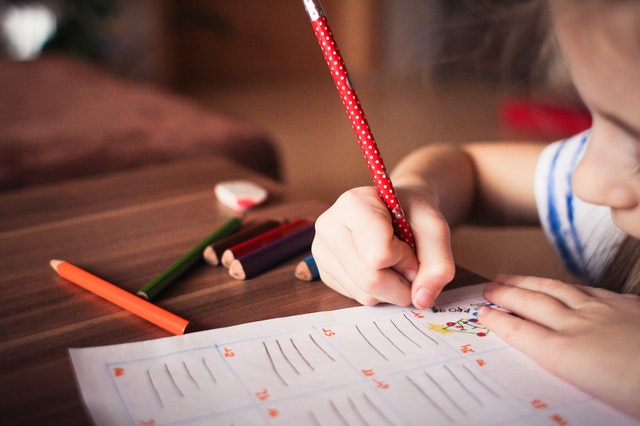
In the younger years, homework is generally thin on the ground. You may get the occasional sheet sent home, or talk exercise, spelling, and reading a book, but it should not be too demanding. Whatever they get, having a little space where they can do it puts them in a good routine as they go up to school and get more. Have a spot away from the noise and busyness of the house and away from the distractions of TVs and computers. Keep a stock of stationery — pencils, pencils, scissors, a stick of glue, and some paper.
Finally, chill out. Those first few days can be difficult for both your child and you. You are still getting used to new routines, and it may be the first time you have left your child for a full day, especially given current circumstances. Sometimes, it is not always going to plan at the beginning and that is fine really-teachers have seen it all, and they are going to know how to help you cope with it. Before you know it, your child’s going to sprint into their classroom without a backward glance!
