Should I Encourage My Child to Learn an Instrument?
As a parent, you may ponder whether to encourage your child to delve into the world of musical instruments. While it’s a personal decision, the advantages of learning to play an instrument extend far beyond the realm of music itself. Let’s explore why nurturing musical talent in your child can be a rewarding and enriching experience.
Cognitive Development
Learning to play an instrument stimulates various areas of the brain, enhancing cognitive skills. It fosters improved memory, attention span, and problem solving abilities, according to Chiswick nursery schools. The intricate coordination required in playing an instrument can also sharpen fine motor skills.
Academic Performance
Studies have shown a positive correlation between musical training and academic achievement. Children engaged in musical education often exhibit enhanced performance in maths, language arts, and standardised tests. The discipline and focus cultivated through learning an instrument can contribute to academic success.
Emotional and Social Growth
Music provides a platform for emotional expression and creativity. It helps children develop emotional intelligence, fostering empathy and understanding of various emotions. Collaborative musical activities, such as playing in ensembles or bands, encourage teamwork, communication, and social interaction.
Boosting Self-Confidence
Mastering an instrument requires dedication and practice. As children progress and overcome challenges, their self-esteem and confidence soar. Performing in front of others, whether in recitals or concerts, bolsters their self-assurance and public speaking skills.
Stress Relief and Wellbeing
Playing an instrument can serve as a stress reliever and a source of joy. Music has the power to uplift moods, reduce anxiety, and provide a sense of accomplishment. It can become a lifelong source of solace and pleasure for children, aiding in their overall wellbeing.
Cultivating Discipline and Time Management
Learning an instrument instils discipline and time management skills. Regular practice routines teach children the value of dedication and perseverance, important traits that can benefit them in various aspects of life.
Appreciation for Arts and Culture
Exposure to music broadens a child’s cultural horizons and appreciation for diverse forms of art. It introduces them to various musical genres, historical compositions, and cultural traditions, fostering a lifelong love for the arts.
Encouraging your child to learn a musical instrument can be a profoundly enriching experience. Beyond the joy of creating melodies, it cultivates a myriad of skills and qualities that contribute to their holistic development.
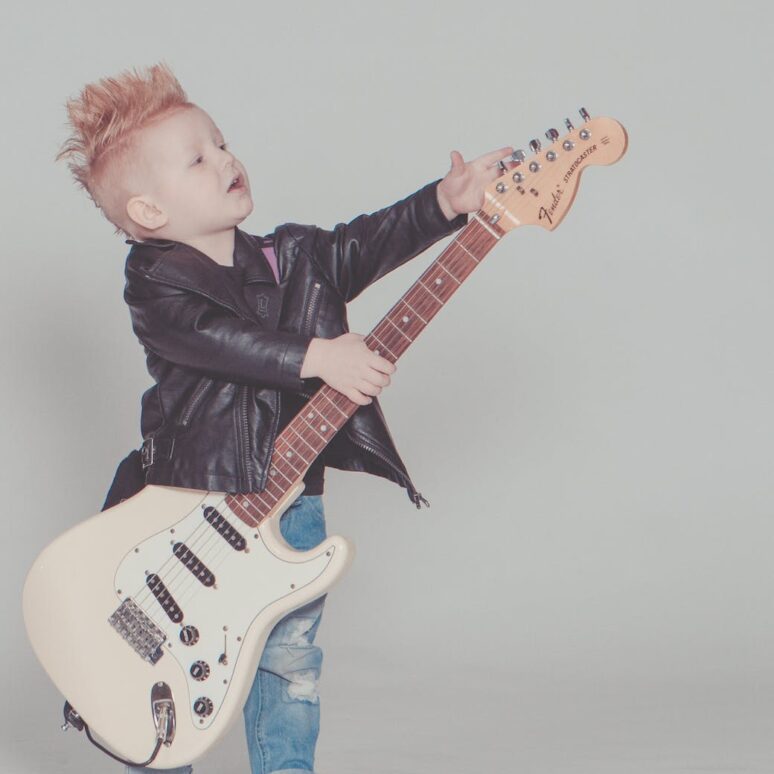
However, it’s crucial to approach musical education with patience and support, allowing children to explore and enjoy the process at their own pace. Whether it’s the piano, violin, guitar, or any other instrument, the journey of musical exploration can be a harmonious and rewarding endeavour for your child’s growth and development.
