
From London to the French Riviera: A Seamless Family
For a growing number of London families, the conversation about relocation is becoming more common. Long commutes, rising housing costs and the search for a healthier daily rhythm are pushing parents to reconsider where they want to raise their children.
Among the destinations gaining attention, the French Riviera offers a compelling combination of international infrastructure, globally recognised education and outdoor lifestyle.
Relocating abroad with children requires careful planning. Yet many parents discover that with the right preparation, living on the French Riviera as a family becomes a realistic and manageable transition.
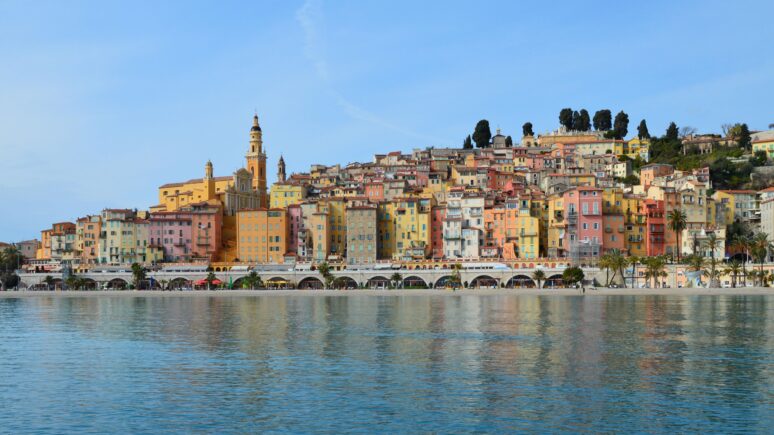
Photo by SlimMars 13: https://www.pexels.com/photo/town-on-sea-shore-16002695/
Why London families are considering the French Riviera
Several shifts have changed how families approach location decisions.
Hybrid work allows many professionals to remain connected to London while living elsewhere. International travel remains simple thanks to regular flights between Nice and major European cities. At the same time many parents are prioritising quality of life and the environment in which their children grow up.
The French Riviera offers access to international communities, global companies and research centres such as Sophia Antipolis. Nearby Monaco serves as a global centre for wealth management, finance and international business, drawing professionals working across banking, investment and private wealth.
This environment attracts professionals from sectors including technology, finance and science. As a result families often find themselves surrounded by people with similar international careers and lifestyles.
Step one. Choosing where to live
Location is usually the first decision families make when relocating.
Nice is often the starting point. As the largest city on the Riviera it offers strong infrastructure, cultural life and easy airport access. Residential areas in Nice West are popular with international families seeking quieter neighbourhoods close to schools and transport.
Antibes attracts many professionals working in Sophia Antipolis. The town offers beaches, parks and a well established international community.
Families looking for a village atmosphere often explore Valbonne or Mougins. These towns provide a quieter environment with markets, green space and access to nearby international schools.
Each location offers a different rhythm of life, but all remain connected through the Riviera’s transport network.
Step two. Understanding visas and relocation logistics
Administrative planning is another key step in the relocation process.
Families moving from outside the European Union usually require long stay visas. The type of visa depends on employment arrangements, business ownership or financial independence. Many internationally mobile professionals begin the process several months before their planned move to allow time for documentation and approvals.
Healthcare registration, housing contracts and school applications also form part of the early relocation checklist. Families who prepare these elements in advance often find the transition far smoother once they arrive.
Step three. Securing the right school
Education often becomes the decisive factor in choosing where to settle.
The Riviera offers several schooling pathways. Families may choose French public education, bilingual schools or international schools in France that follow globally recognised curricula. Many internationally mobile families prioritise programmes that allow children to move easily between education systems.
One example is the International School of Nice, an English speaking IB World School serving international families for decades. Students progress through the IB Primary Years Programme and Middle Years Programme before completing the IB Diploma Programme. Daily French lessons and extracurricular activities help students integrate into local life while maintaining an international education.
Parents researching schooling options often begin with practical resources such as the complete guide to moving to the French Riviera with children published by the International School of Nice.
Step four. Settling into everyday family life
Once housing and schooling are secured, families begin to experience the daily rhythm that motivated the move.
Children often join sports clubs, language classes and community activities through their schools and local associations. Parents build social networks through school communities and neighbourhood events.
For many families the transition from London becomes easier than expected. The region offers international infrastructure, welcoming communities and a setting where children grow up surrounded by languages, cultures and opportunities.
For parents considering relocation, the French Riviera represents more than a change of scenery. It offers a different framework for family life. One that balances global connectivity with a slower, more human scale of living.
