
How to teach your child problem solving skills
Whether it be some particularly challenging history homework, a playground squabble, or a missed alarm on the day of a big test, children of all ages will face problems throughout their everyday lives. As a parent your instinct will often to be to step in and fix the problems for them, but in reality, teaching them how to manage adversity independently will help them more in the long run. Take a look at the following advice from an independent school in Hampshire to find out how you can teach your child to be proactive and successful problem solvers.
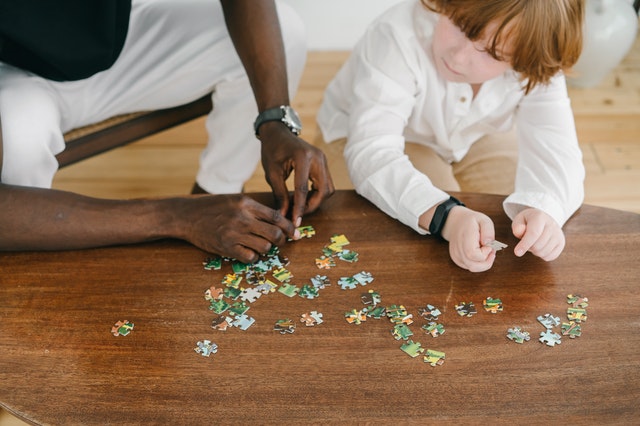
Emotional intelligence may seem a little irrelevant when it comes to problem solving, but it can actually make all the difference. When we face a difficult situation, our emotions can become overwhelming, pulling our attention away from the cause of the issue and reducing our ability to tackle it head on. Teaching kids to identify and manage their emotions helps them to keep calm and focus on the task at hand, instead of lashing out or responding irrationally. If your child is upset because something hasn’t gone their way, ask them to verbalise how they’re feeling, are they angry, sad, disappointed, embarrassed? Once they’ve acknowledged and processed their feelings they will be much more capable of coming up with practical solutions.
Once your child has dealt with their emotions, they may still feel a little bit lost when it comes to sorting things out. Teaching them some simple strategies can help get their thoughts in order and allow them to weigh up their options. Putting pen to paper is really useful when it comes to solving problems, it gives children a sense of control in moments they may otherwise feel a little helpless. Writing lists of potential solutions can help strengthen your child’s innovative thinking and decision making skills. Be careful not to weigh in with your opinion too much as they look for solutions to their problems. The more practice they get dealing with small issues in their early years, the better they will be at facing adversity as they get older.
