
AD| Going Zero Waste on a Budget – It’s Possible!
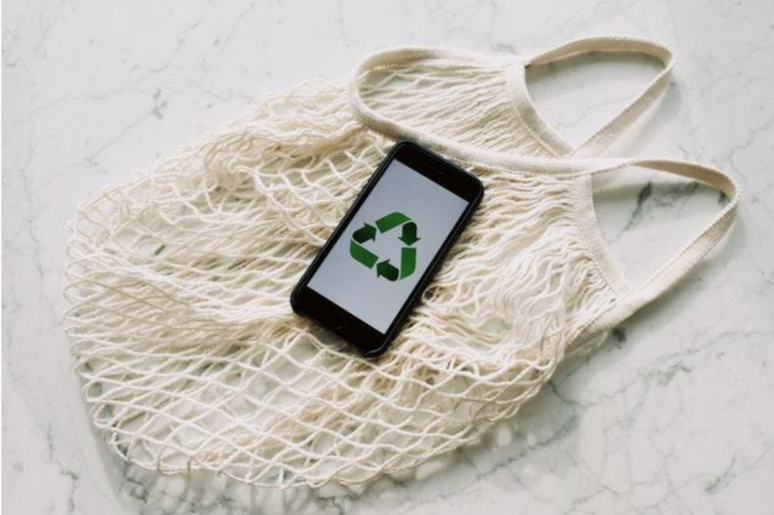
For many families new to the zero waste way of life, reducing how much waste they produce can end up being a money pit rather than a budget saver.
It all depends on how you approach this philosophy. As the zero waste movement becomes more popular, retailers and manufacturers produce a ton of products to support your transition to making less waste.
Some of these items are the real deal, but others just produce more waste. What’s more, they tend to have a higher price tag, so investing in zero waste products can take a lot of cash.
How can the average busy family tell the difference? Here’s a quick guide to becoming a zero waste household on a budget.
How Zero Waste Can Be Expensive
Many people go wrong because they believe they have to switch to zero waste overnight. This black and white way of thinking can get expensive, as it convinces you need to replace everything in your home with its eco-friendly alternative.
There are two main problems with this goal.
Problem #1: It’s Costly
For one thing, it’s expensive. You can ring up a big bill by buying a set of reusable glass containers, bio-degradable toothbrushes, and eco-friendly beeswax wraps. If you aren’t careful, you can bust your budget replacing your single-use plastics for their green alternatives.
You might even be tempted to rack up credit card bills or take out online loans to help make the switch. But credible online direct lenders will tell you online short term loans are only for unexpected emergencies.
Although the current climate crisis may feel like an emergency, it doesn’t count. Online direct lenders only recommend short term loans when you don’t know where to turn to when an urgent yet unanticipated repair comes your way.
Problem #2: It’s Wasteful
Being zero waste should get you thinking about how you can use less and reuse as much as you can. This can be a little counterintuitive at the start because it means you might end up using non-eco-friendly items for longer. Oddly enough, hanging onto your plastic Tupperware is actually more in-tune with the movement than binning them and rushing out to buy glass replacements.
The zero waste movement uses the circular economy as a template. This business model takes its cues from Mother Nature, where there is no bin or skip. The natural lifecycle reuses and recycles waste in a perfect loop.
Keep this in mind with your own waste. Zero waste living is more than just buying eco-friendly products. It’s about using what you have and buying less, full stop. Producing less waste happens almost as a happy accident.
How You Make it Affordable
Once you internalize this lesson, zero waste winds up being less expensive. Although many individual green products may have a higher price point, you’ll buy less altogether. More importantly, you’ll only buy items you truly need.
Other ways you can follow your budget and reduce waste:
- Host swap parties with friends
- Buy second-hand as much as possible
- Learn how to upcycle fabric and other materials
- Join trading communities and tool libraries
- Buy in bulk
Take it Slow
Your family doesn’t have to jump head-long into zero waste if you don’t want to. It can be a transition that takes months, years, or even decades. The point is that you try to reduce as much waste as you can, whatever that means for your family and budget.
